MAJORI MANOR
History and Cultural Heritage of Majori Manor
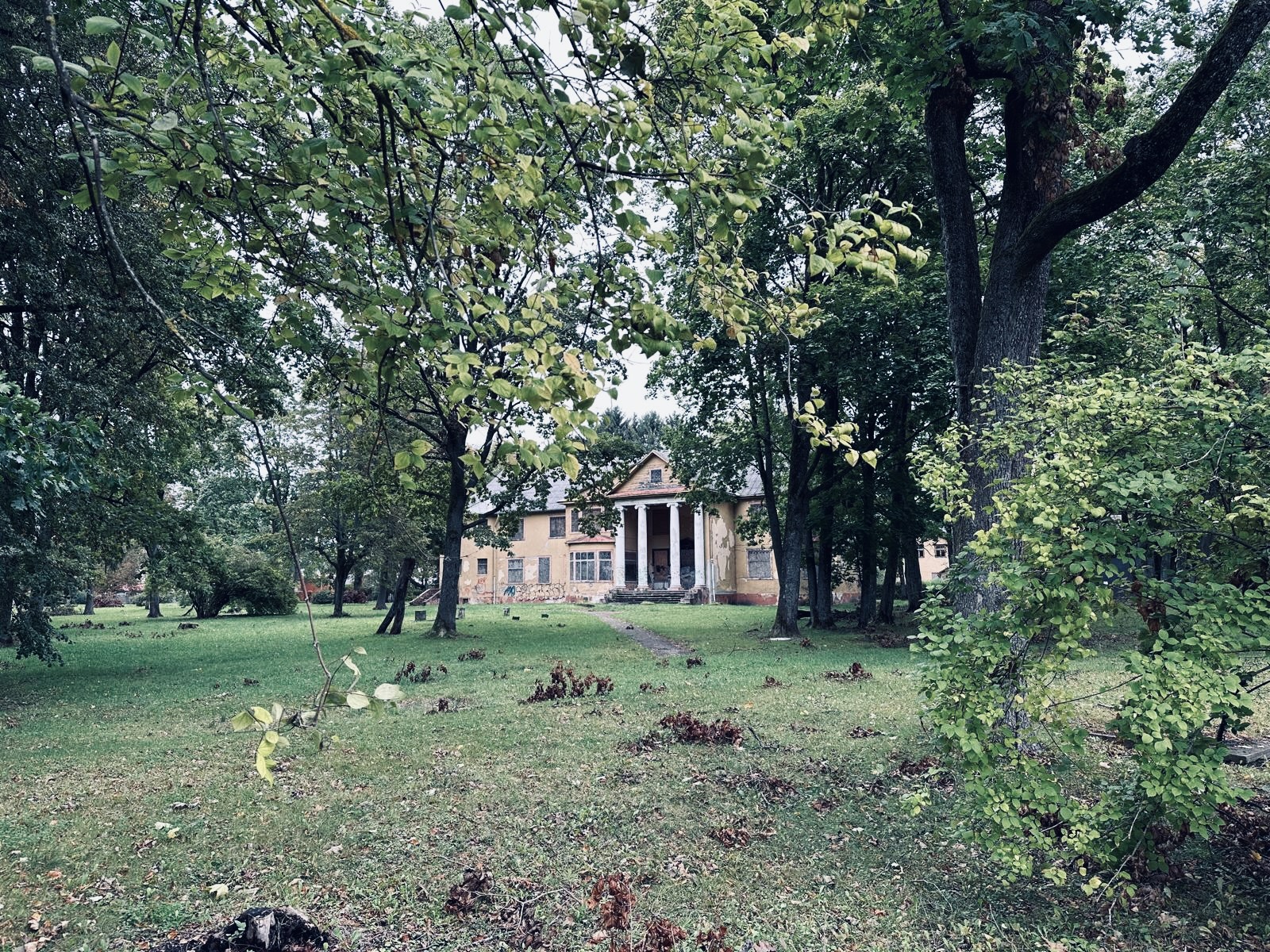
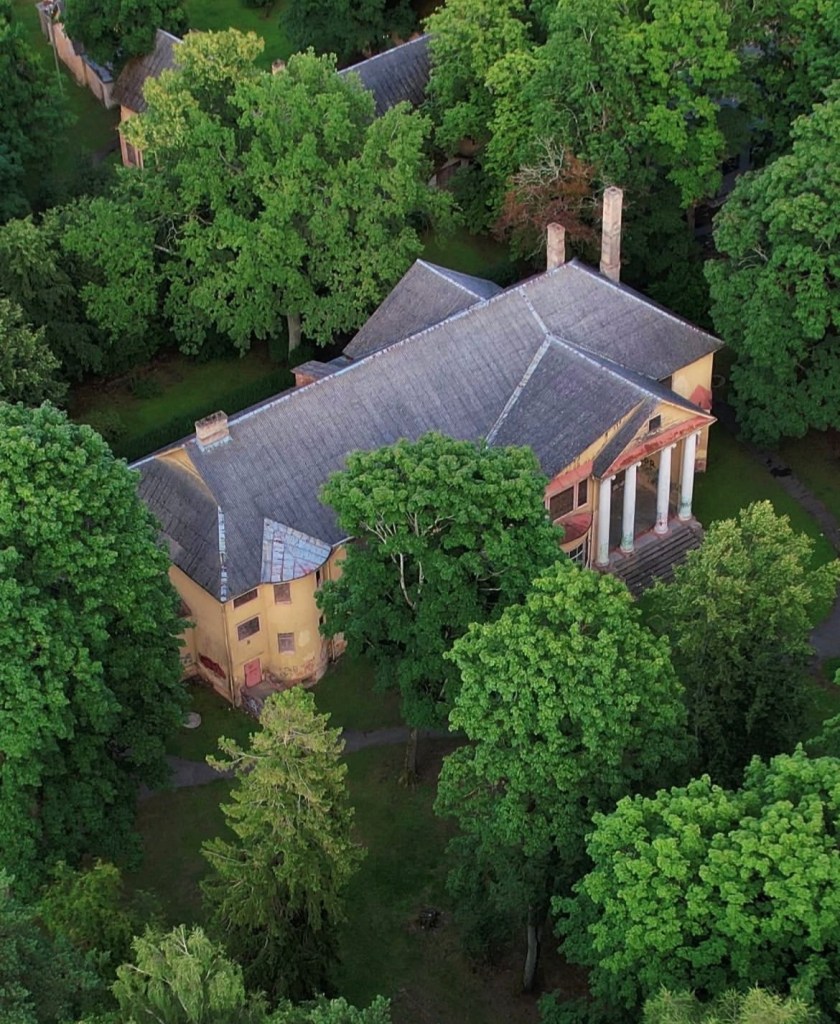
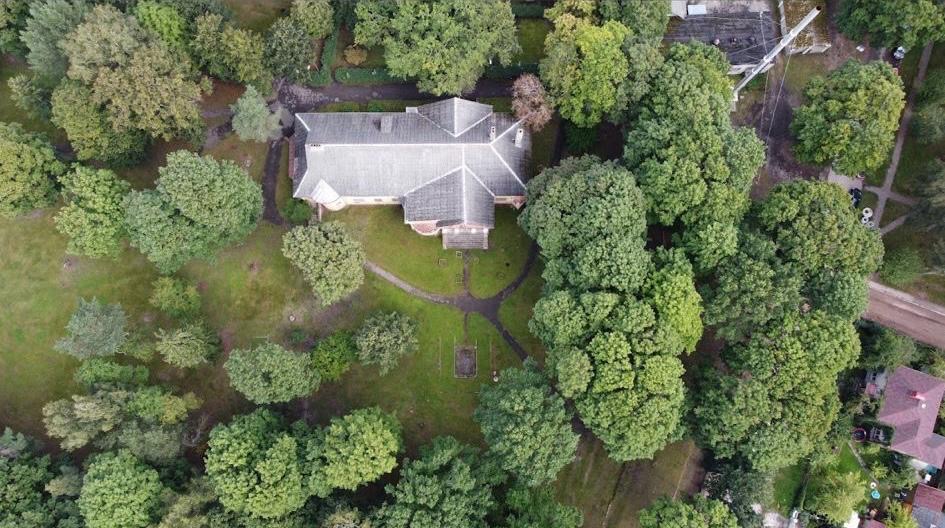
Majori Manor is a rare historic estate complex dating back to the early 20th century, located in the heart of Jūrmala and surrounded by a private park of 24,000 m². The ensemble combines the architectural language of a seaside summer residence with the character of a Baltic hunting lodge, reflecting the lifestyle and aesthetics of its era.
Origins
The earliest records of the Majori lands date back to the 16th century. For centuries, the territory belonged to the noble von Fircks family of Kurzeme, who owned extensive coastal properties. The family traditionally spent the summer season at the manor, while a steward managed the estate year-round.
Architecture
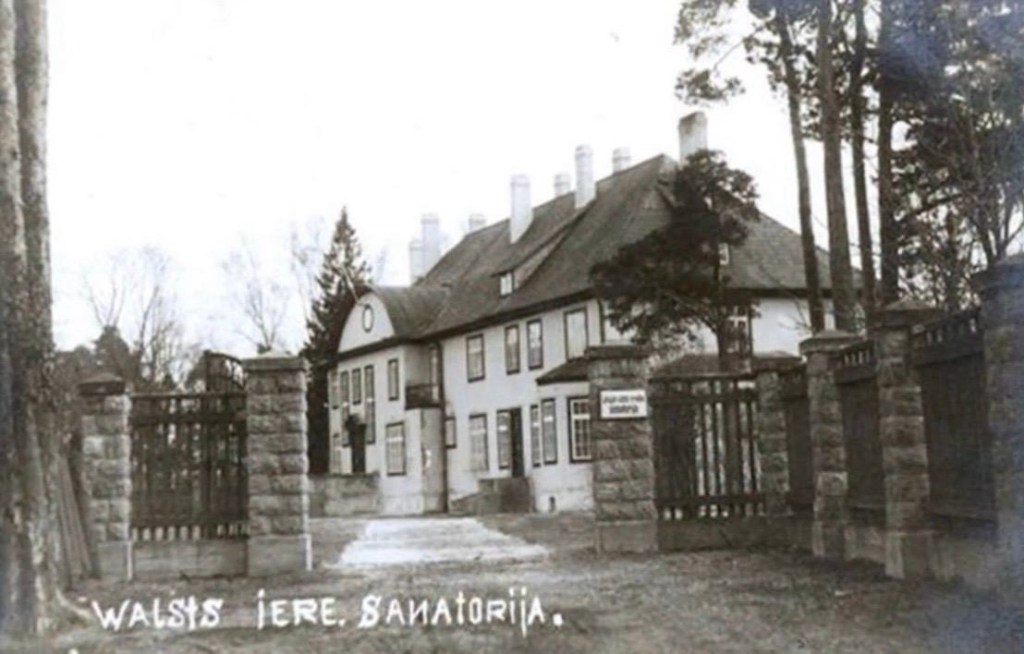
The main residence was built around 1910, designed by renowned architect Wilhelm Bockslaff, one of the most influential figures of Latvian Art Nouveau and Historicism. The building blends ornamental craftsmanship with the distinctive character of early Baltic resort architecture.
The interior has preserved original elements, including:
• elegant wooden staircases with curved balusters,
• decorative handcrafted columns,
• authentic fireplace portals,
• several historical tiled stoves,
• oak parquet flooring,
• marble floors,
• original marble columns,
• artistic metal door fittings.
Together, these details form a remarkably intact architectural portrait of the era.
Agrarian Reform and Change of Ownership
Following the agrarian reform of 1920, the manor became state property and served various public functions throughout the 20th century. Thanks to robust construction and high-quality materials, the architectural identity of the building has survived largely intact.
Manor Park
The expansive private park is an integral part of the estate. It has retained its historical layout, mature trees, and tranquil atmosphere, creating privacy, acoustic comfort, and a distinctive microclimate in the center of the city.
Period of Renewal
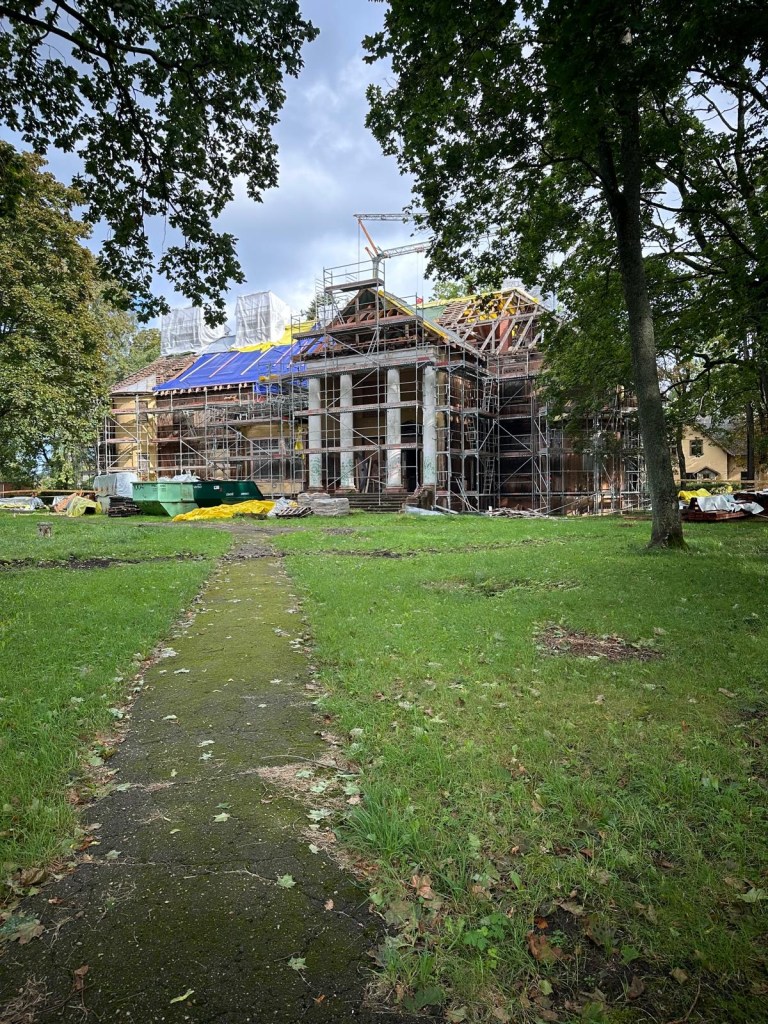
In 2024, Majori Manor returned to private ownership.
A comprehensive restoration has begun, aiming to preserve original heritage elements and adapt the complex responsibly for modern cultural and educational purposes.
The project is led by one of Latvia’s most respected and talented architects —
Ināra Caunīte, known for her sensitive approach to historical architecture and her ability to integrate contemporary solutions without compromising authenticity.
Uniqueness
Majori Manor is one of the last remaining estate complexes of this scale within the modern boundaries of Jūrmala. The ensemble stands out for:
• early 20th-century architectural value,
• preserved original decorative elements,
• rare private parkland in a resort city,
• authentic historical craftsmanship,
• harmonious dialogue between architecture and landscape.
Today
The manor is undergoing phased restoration.
Its mission is to preserve artistic value, restore lost details, and bring new life to the complex through cultural, educational, and community-oriented initiatives.